
Restoration & Extension · Case study

Leafield

A full restoration and barn extension of a Grade II listed Cotswold home in West Oxfordshire

Project Details

Property

18th-century Grade II listed Cotswold home with adjoining former milking shed

Location

West Oxfordshire.

Project type

Full renovation, barn demolition and extension

Srevices

Renovations, extensions, roofing, carpentry, electrical, heating

Problem

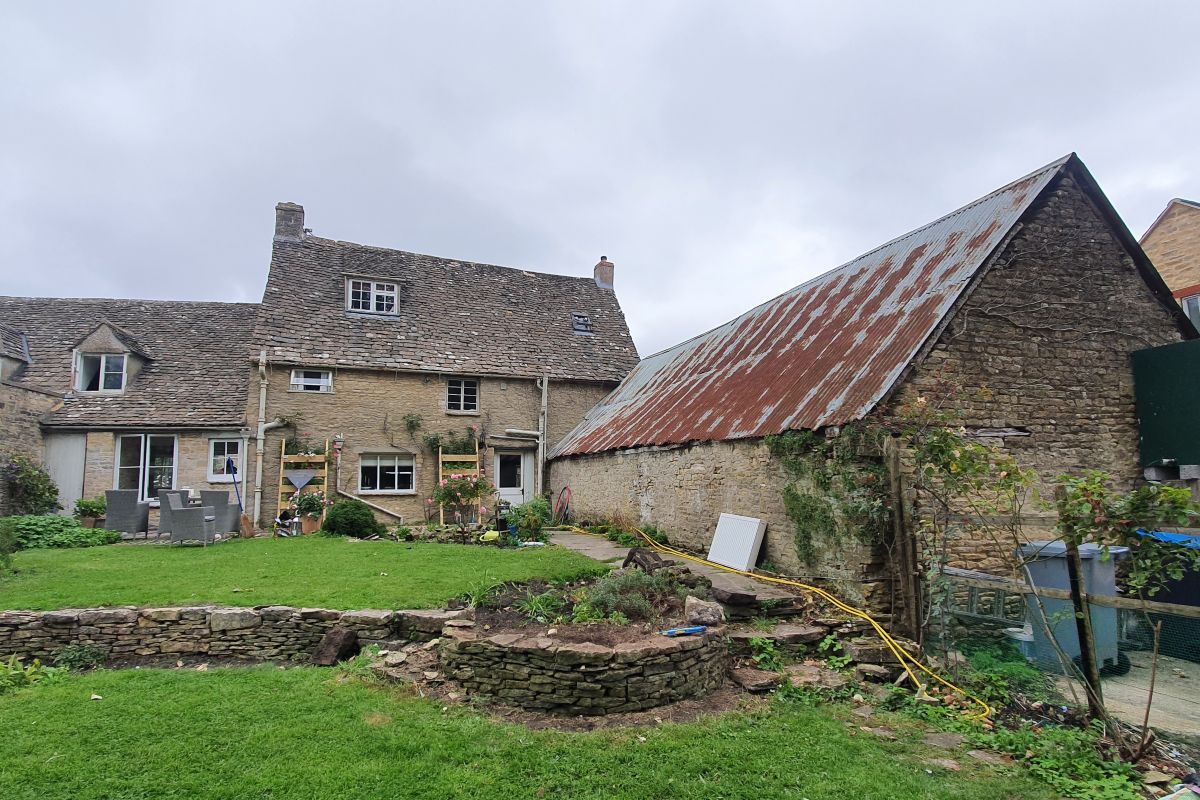
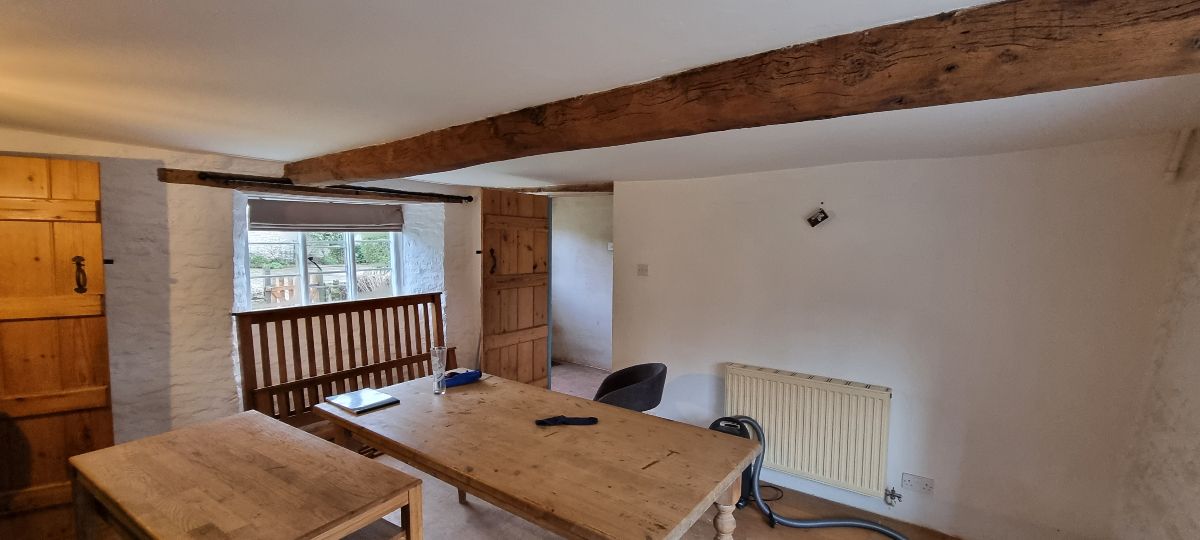
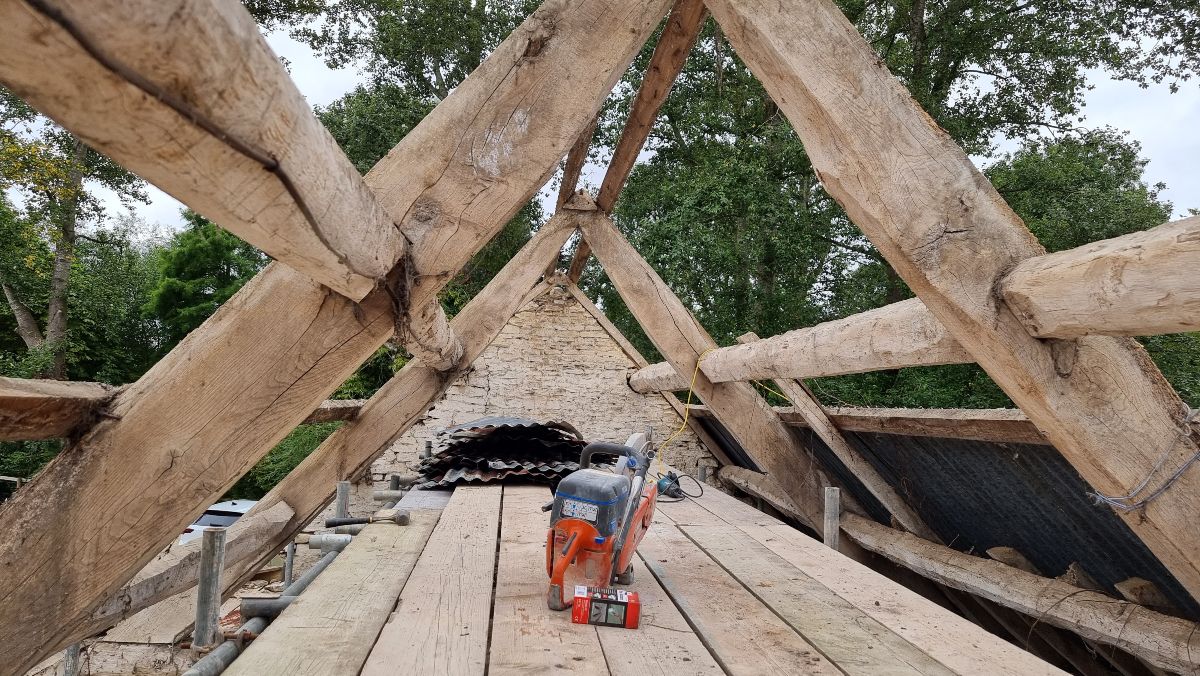
When Andrew came to us, The Leazings was in poor condition. It hadn’t had any meaningful work done to it in decades. The roof was leaking, the windows and doors were tired, and the house was cold throughout. He wanted to bring the property up to modern living standards while preserving its heritage character, and protect it for generations to come. The plan included a full renovation of the main house and extending into the adjoining barn, an old milking shed, to give the family more space to live in. This was to be their forever home, and one they planned to spend a lot of time hosting in.
Before
Before
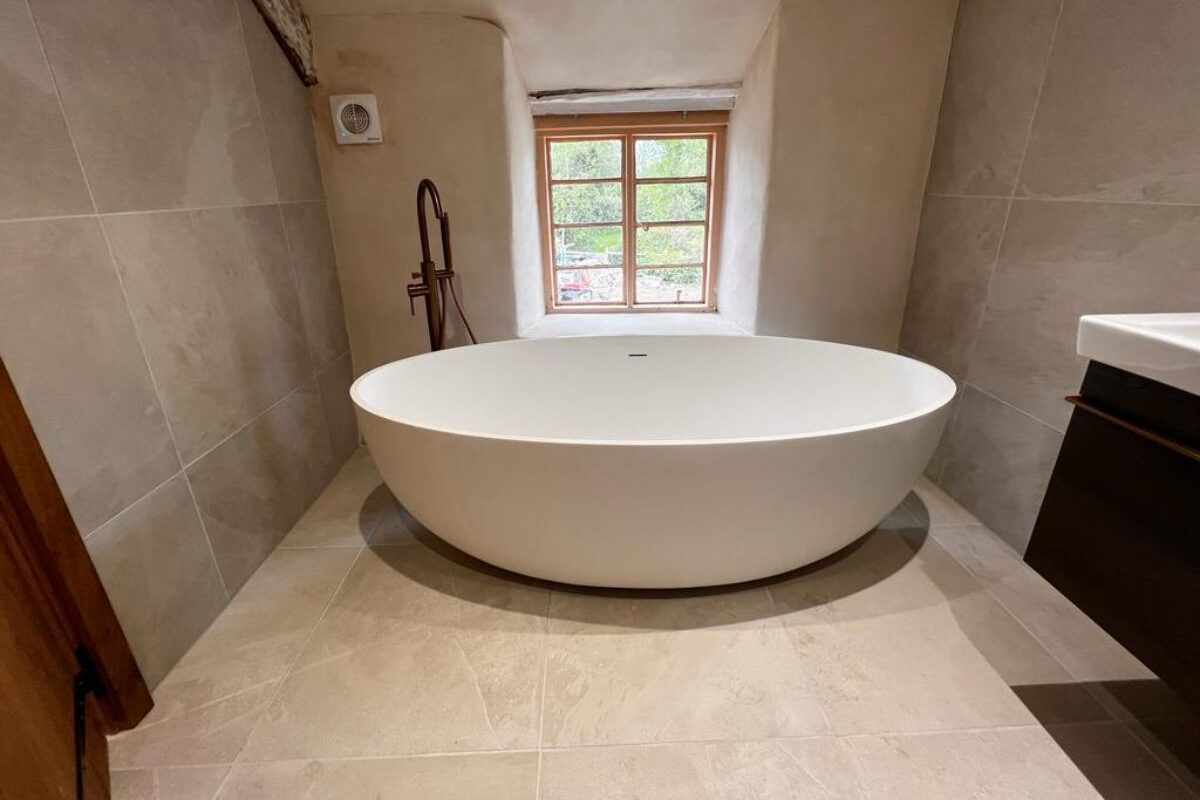
After

Solution

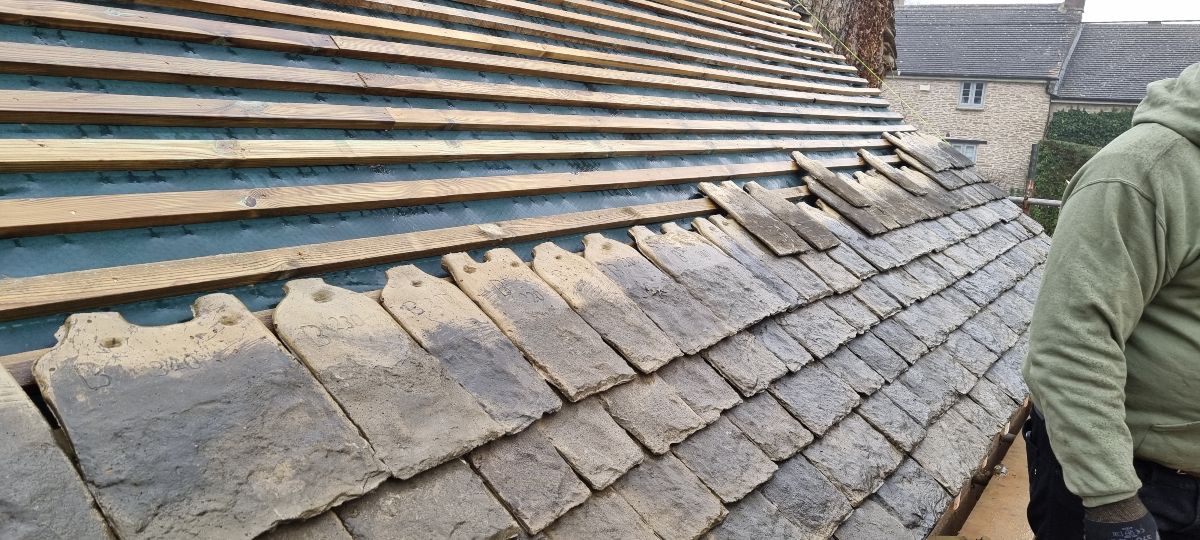
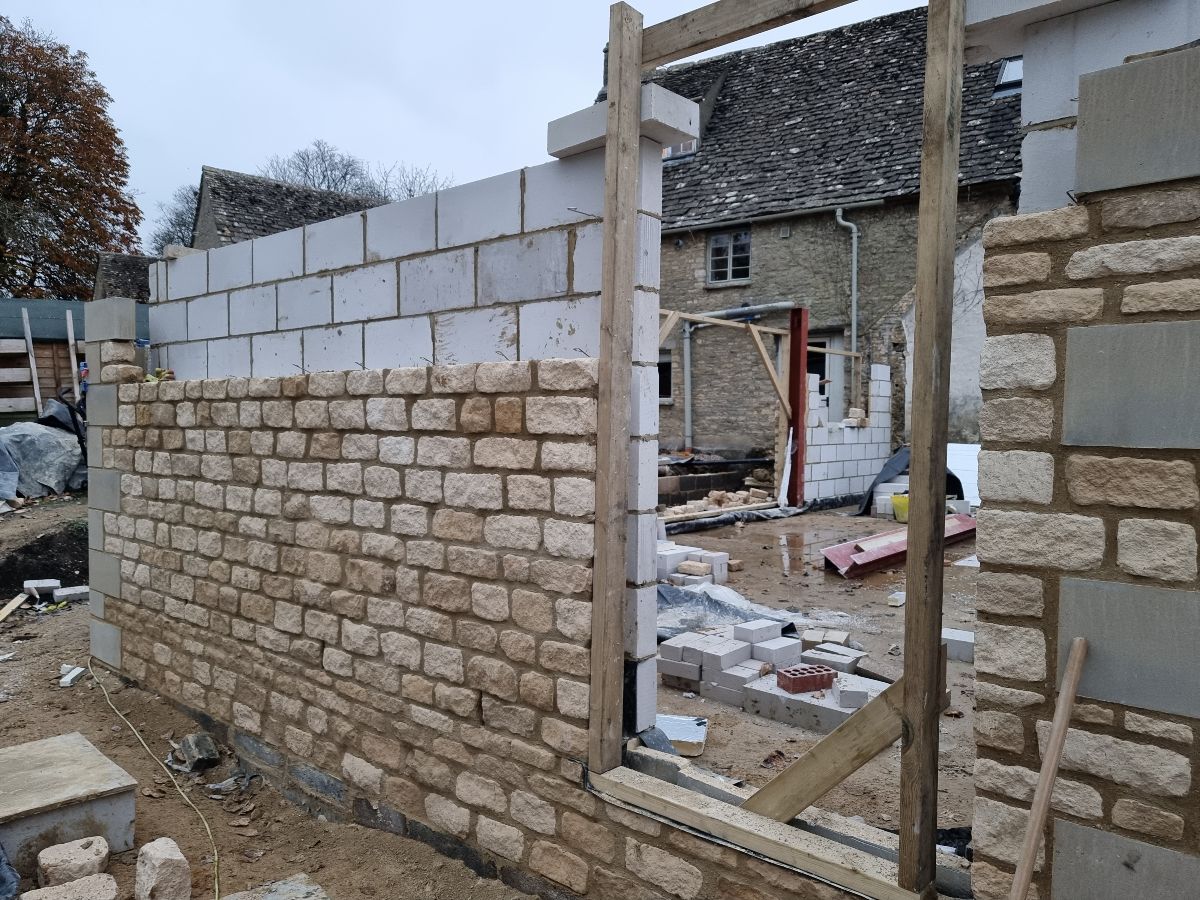
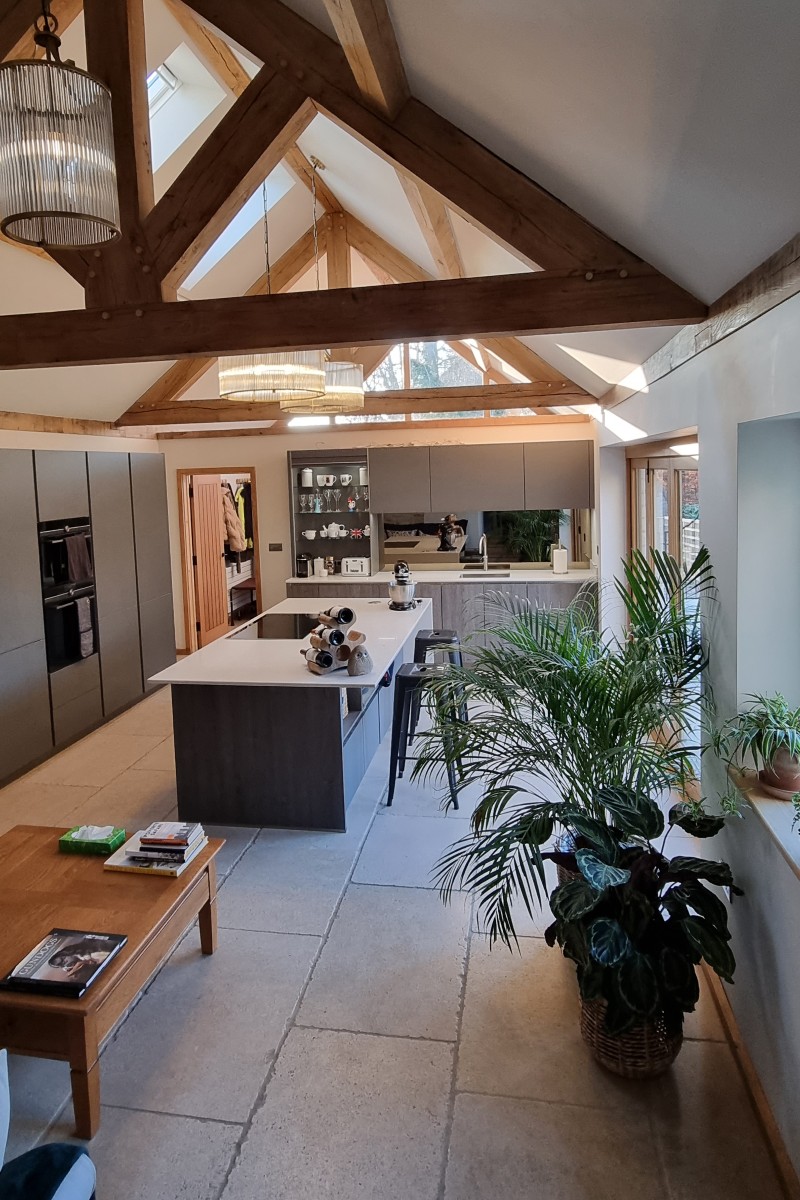
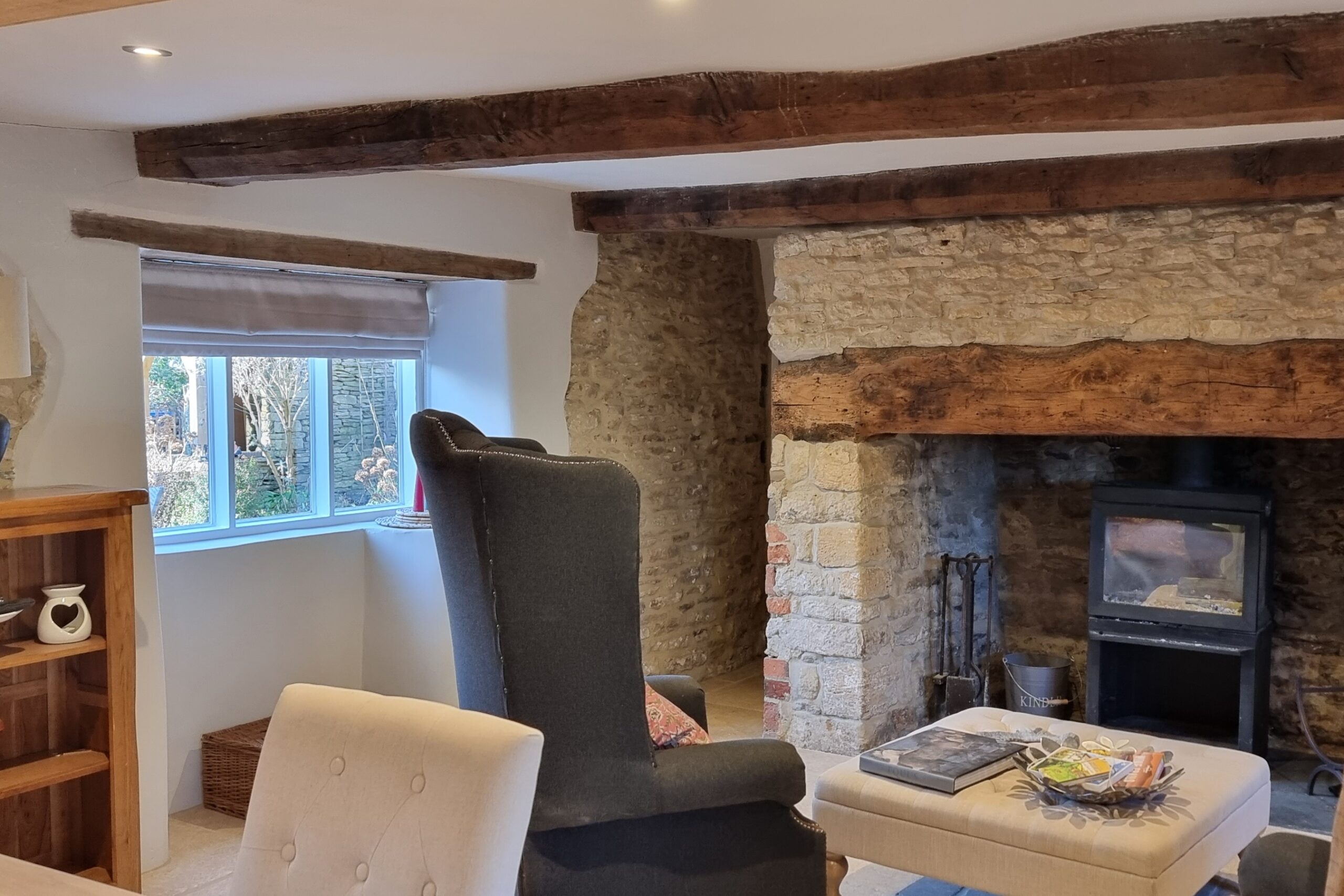
We carried out a full renovation across all three floors, then demolished and rebuilt the adjoining barn to form the extension. We removed decades of emulsion paint and gypsum render from the internal walls to expose the original stonework. The roof was relaid, the windows and doors replaced, the property rewired and a purpose-designed heating system installed. The home also gained modern electrical infrastructure including car charging ports.

Key material choices

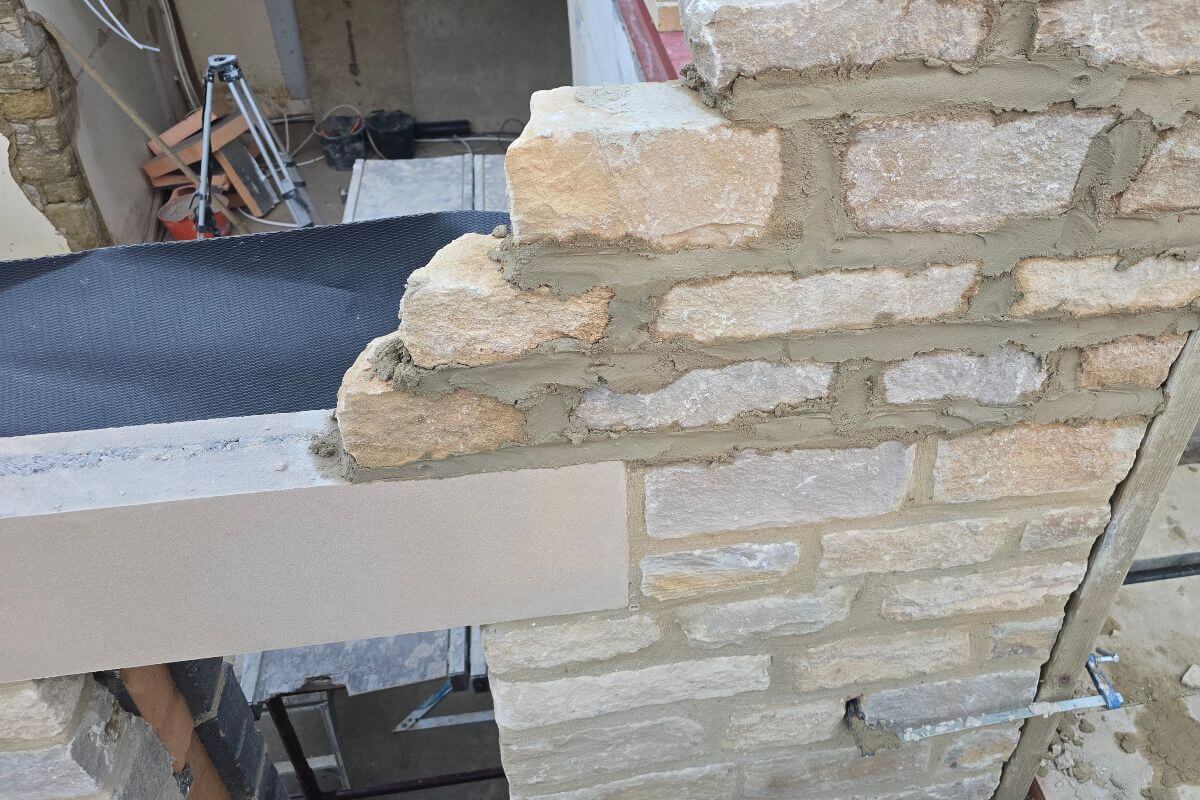
Because the property is Grade II listed, we worked closely with the conservation officer on the material choices: the stone, the roof covering, and the insulation. We used Cotswold natural stone for the new walls, reclaimed Stonesfield slate on the roof, lime plaster internally, sheep’s wool insulation, and reclaimed timber where original sections needed replacing. These are the materials an 18th-century building was built to work with, and they’re what will keep it working for generations to come.

Hidden Problems

A few things only came into view once work started. Some of the older pointing on the external walls had been done in cement mortar, likely in the 70s or 80s, which was causing parts of the stone to crumble at the surface. Cement mortar doesn’t let walls breathe properly, and the problem had been made worse by decades of emulsion paint sealing the inside walls in. We took both off and re-pointed properly with lime. Several of the structural timbers also turned out to be in poor condition, including a section that had rotted away after a historic leak, and these had to be replaced.

The home today

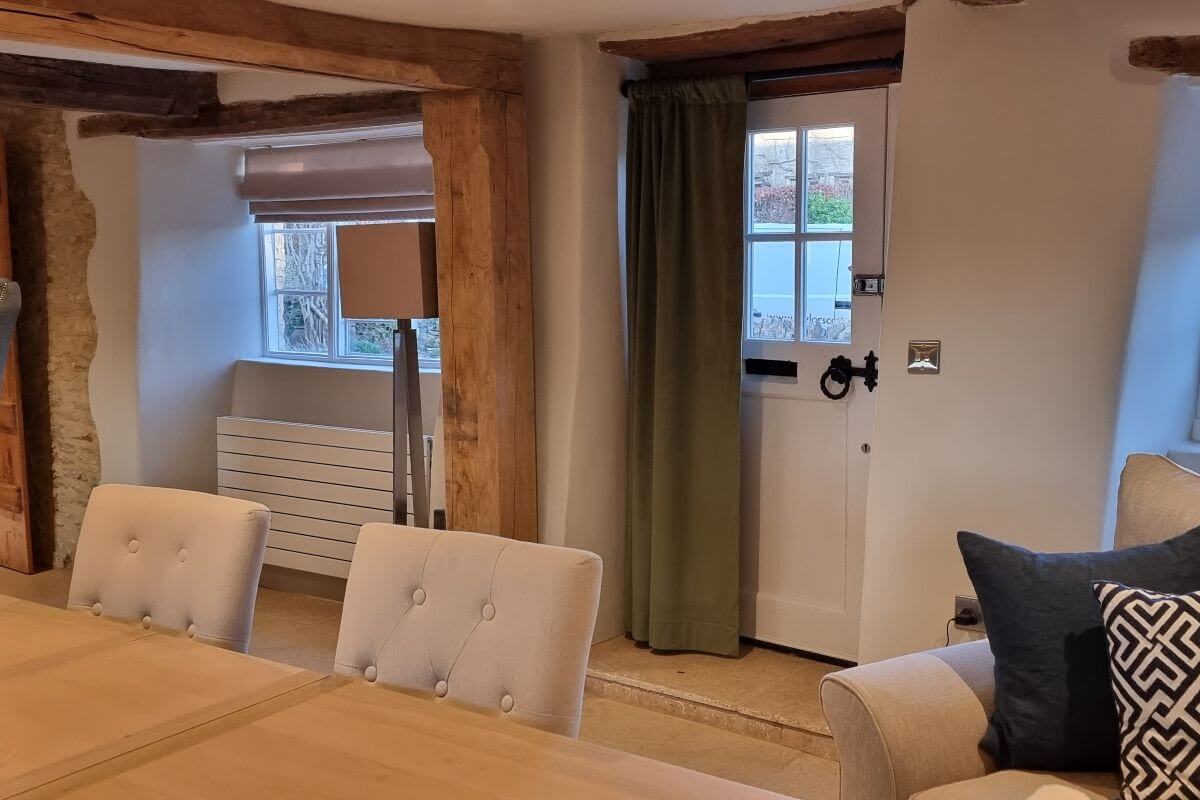
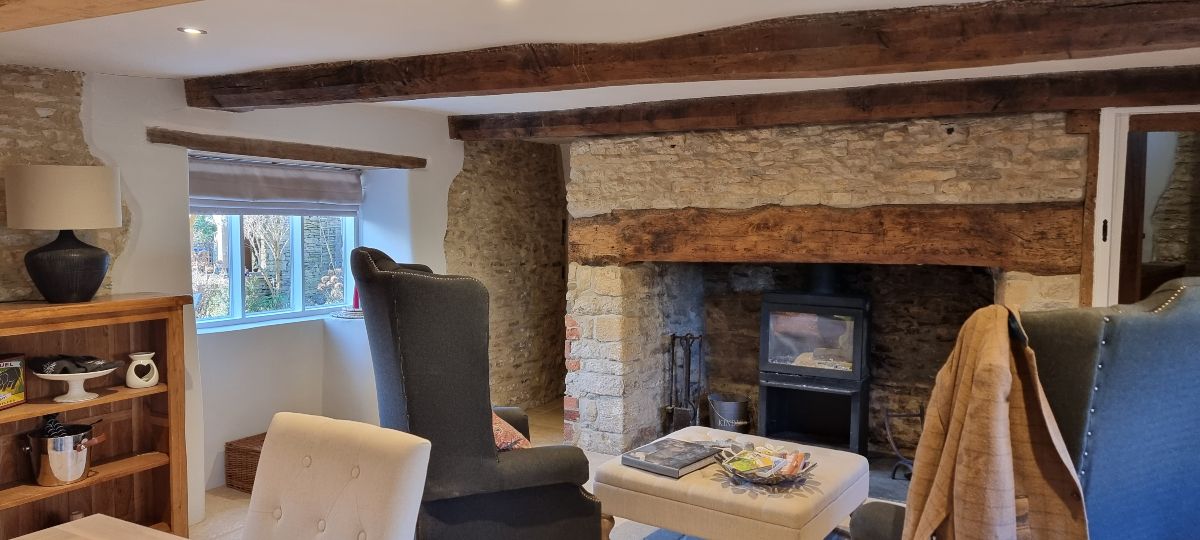
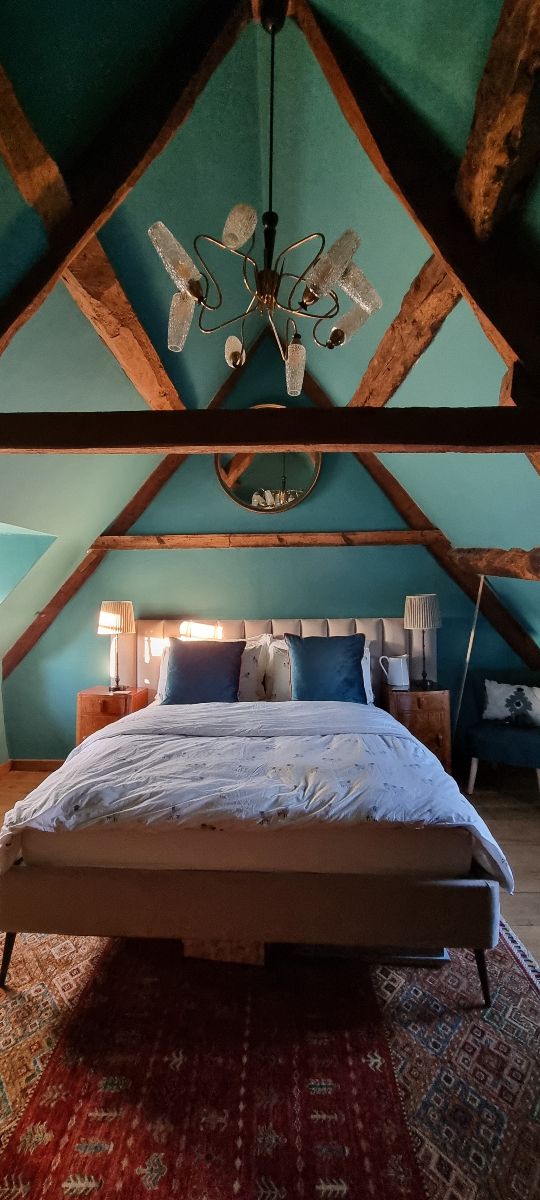
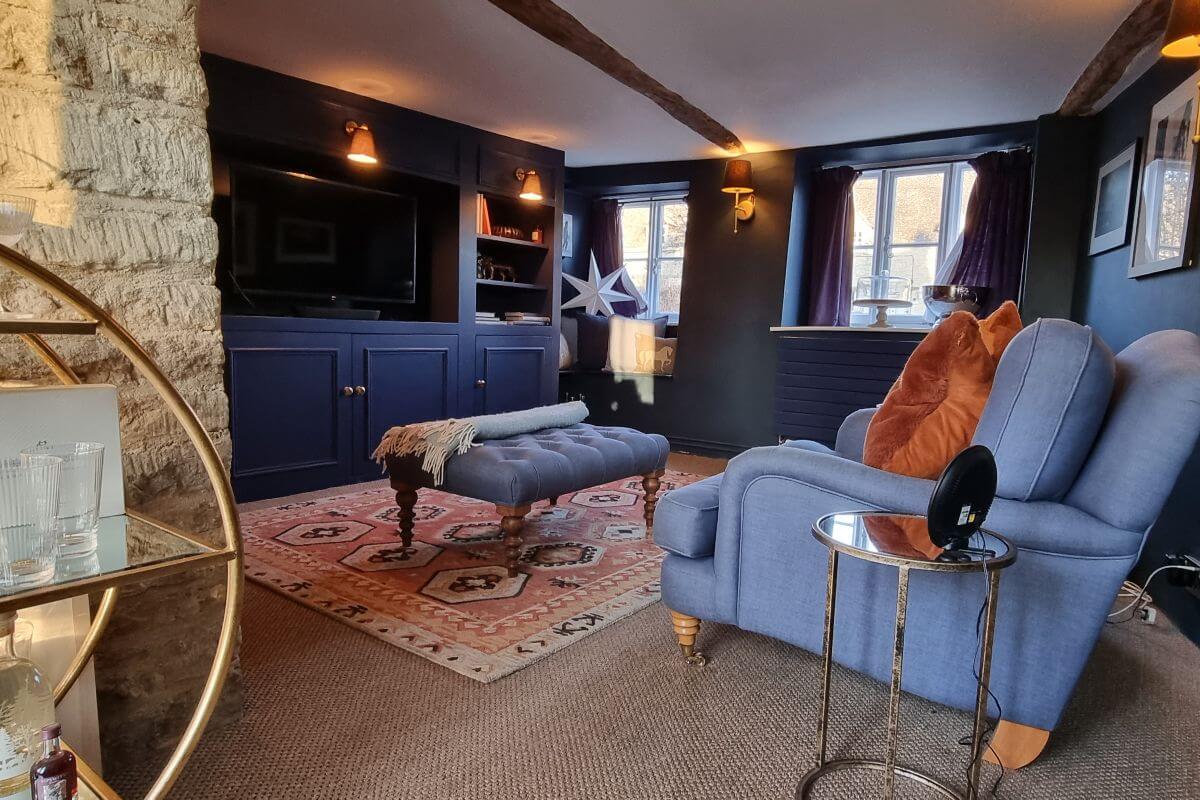
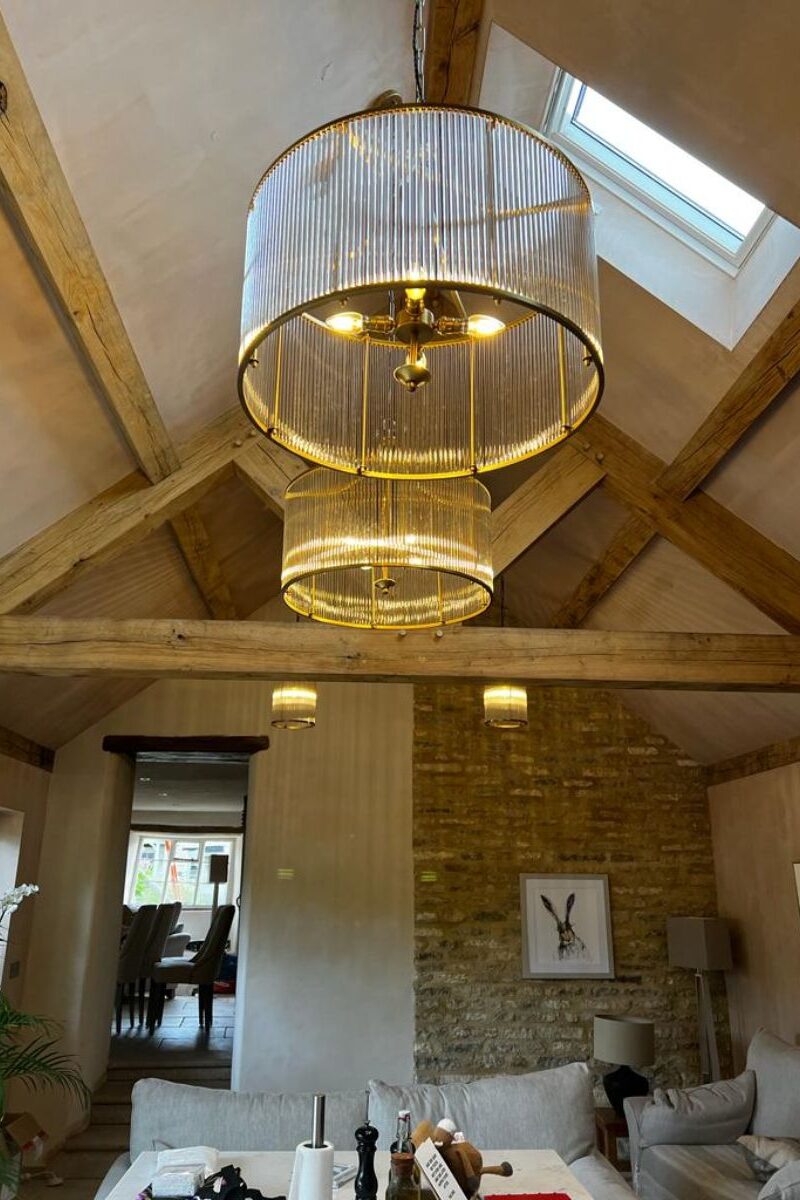
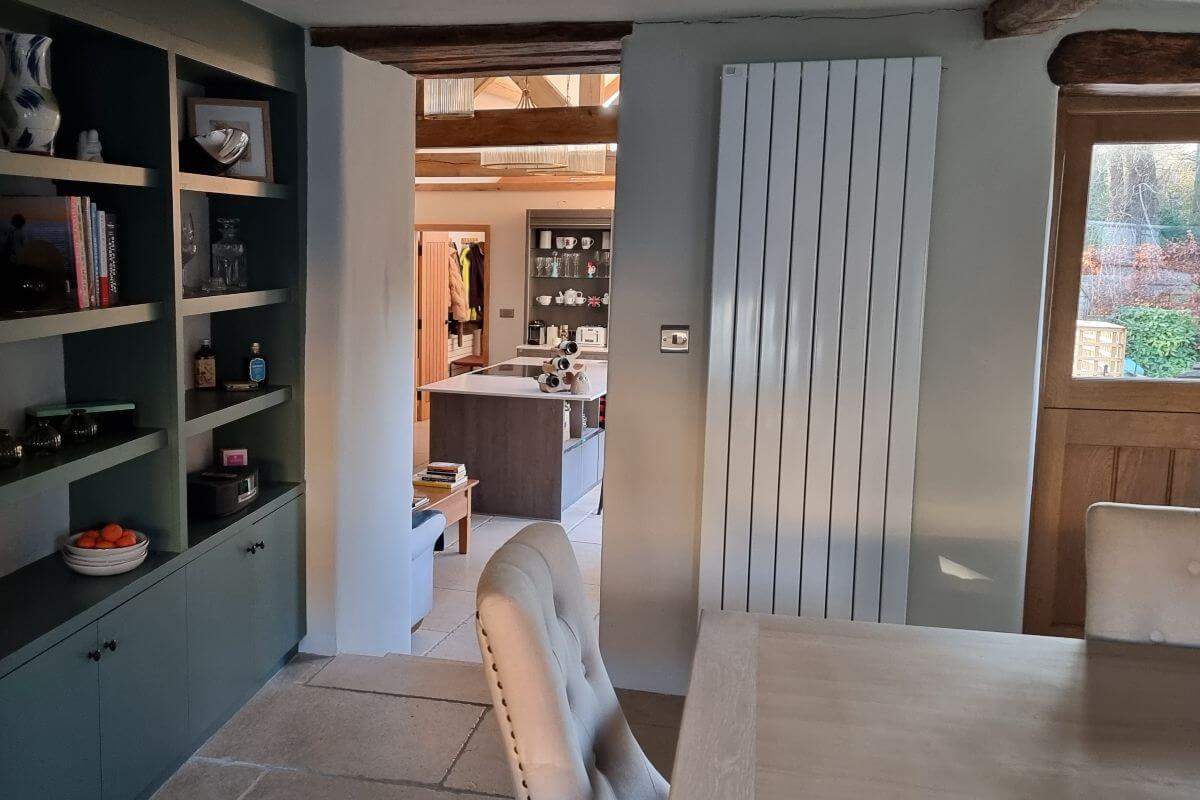
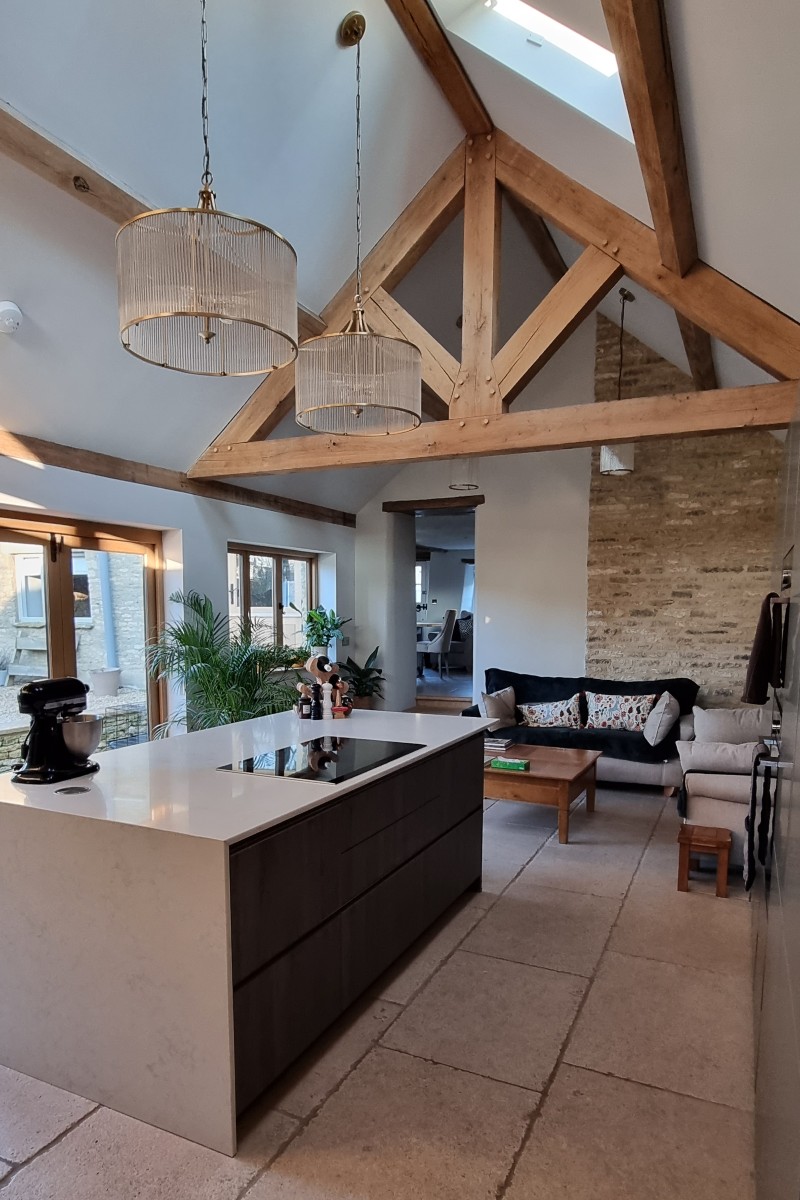
The home is now full of modern comforts but still feels exactly what it is: a Cotswold home of its period. With the emulsion and gypsum stripped away, the original stonework is exposed throughout, and the lime plaster has a depth and texture to it that emulsion doesn’t. The new heating system means it’s warm in winter, with sheep’s wool tucked behind the walls adding additional insulation. Andrew tells us it’s incredibly comfortable, easy to live in, and still very much itself.

What we love most

There are two details, both very different. One you can see, one you can’t!

The joinery

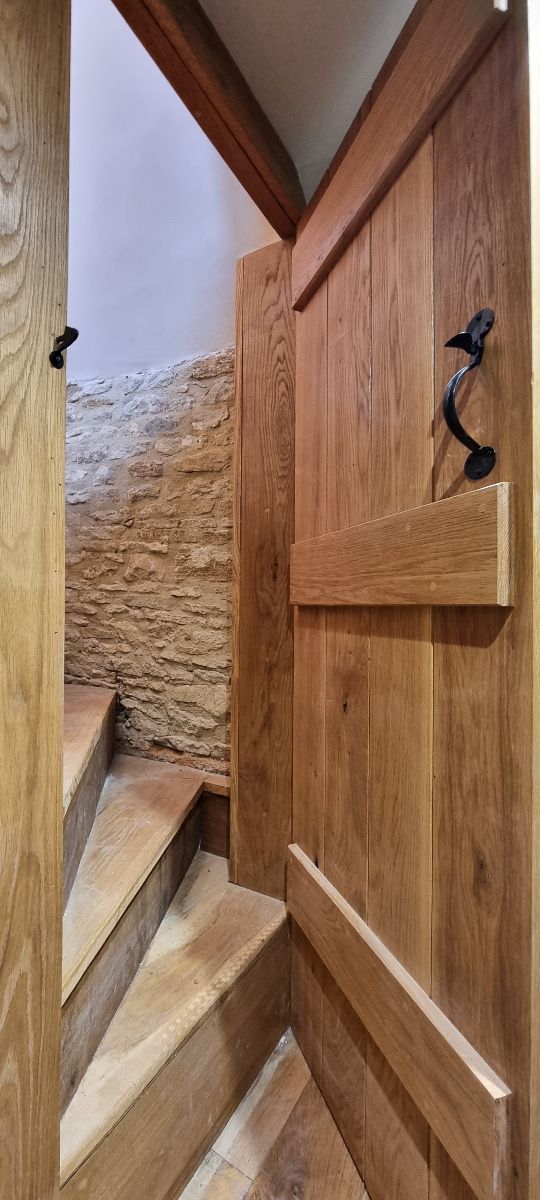
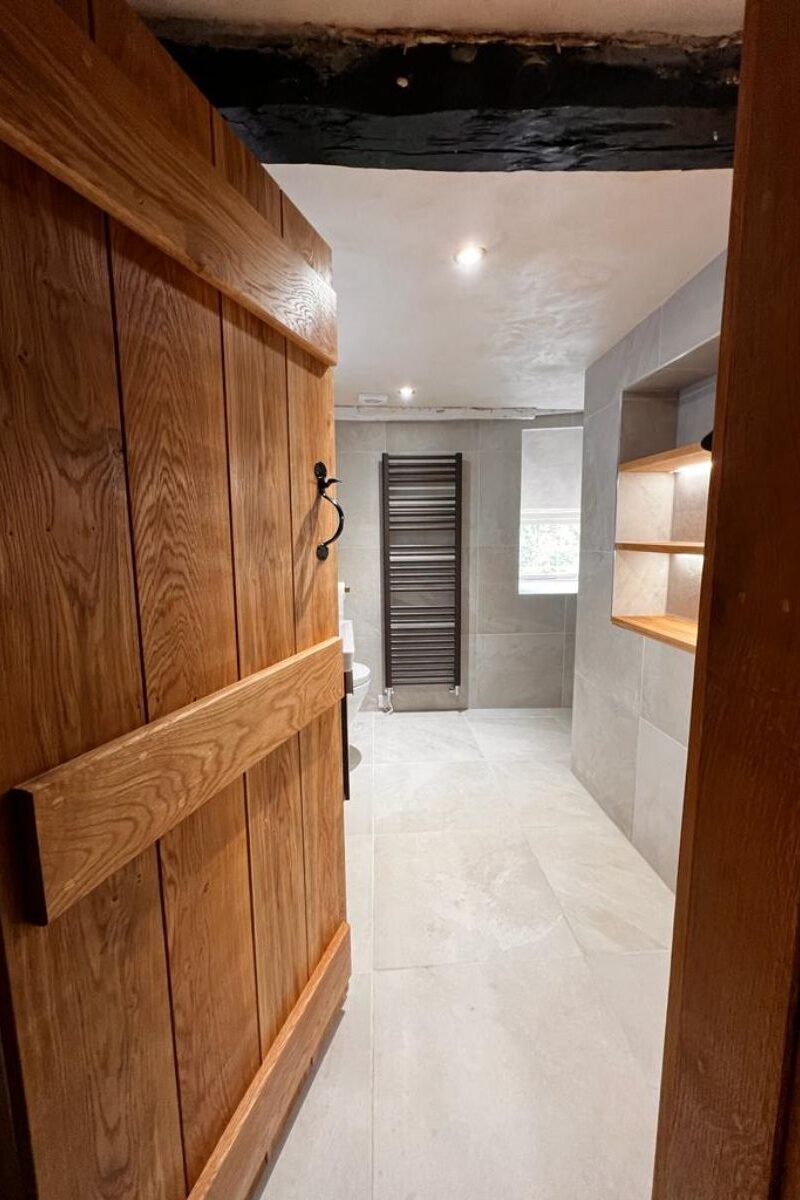
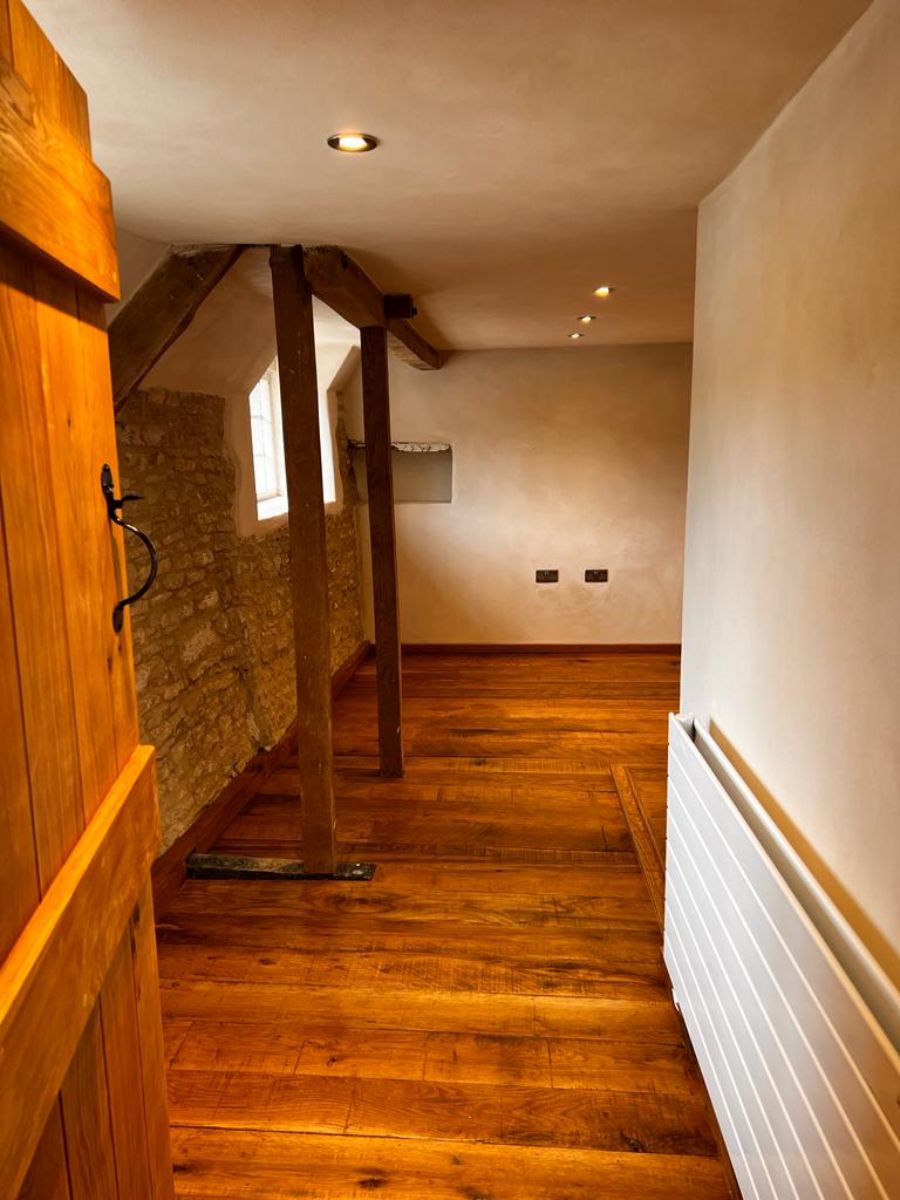
The first is the doors. Because the house is old, none of the original openings were standard sizes, which meant every door had to be made to fit its own opening. We made them on site in oak, ledged and braced in the traditional style, along with the linings, skirtings and architraves to match throughout.

Combined with the solid oak flooring that runs through the house, the joinery gives the home a warmth and depth of finish that you can't buy off the shelf.
What you can't see

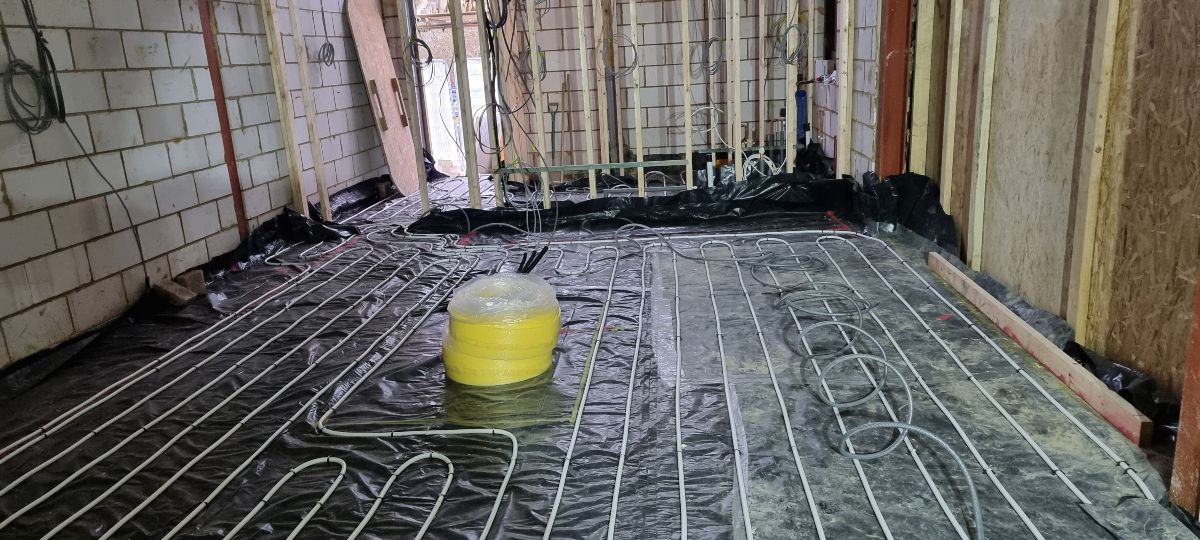
The second you can't see at all. Rewiring and re-plumbing an old building can be a real challenge: joist depths, wall conditions and the lack of obvious service routes mean it's easy to do real damage to the original fabric if you take the wrong approach.

Andrew can't see any of the work we did to thread the new services through the house without cutting it about, but he knows it's done properly, and that makes us happy.

Thinking about a project like this?

There are two details we keep coming back to.